





Printing Blankets Sustentáveis
Compressible printing blankets absorb mechanical shocks, ensuring flawless ink transfer even at maximum press speeds.
Durable Printing Blankets
Compressible printing blankets absorb mechanical shocks, ensuring flawless ink transfer even at maximum press speeds.

WORLD PRODUCTION REFERENCES

click the logos below to discover more about each one
WEB AND SHEET FED

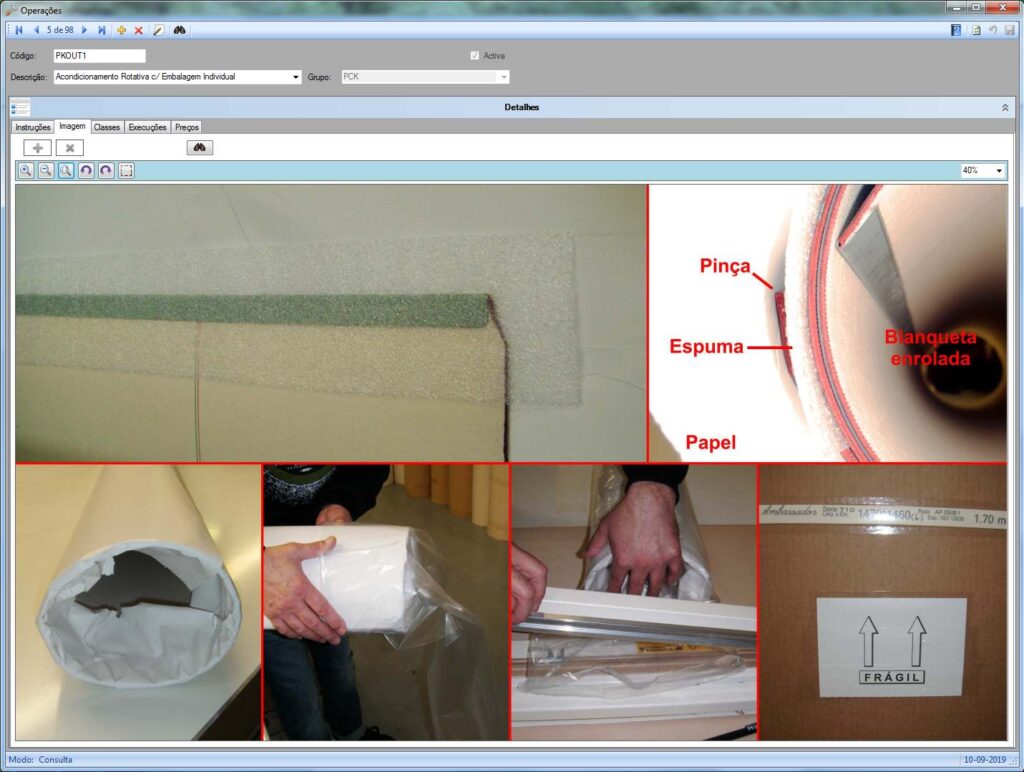
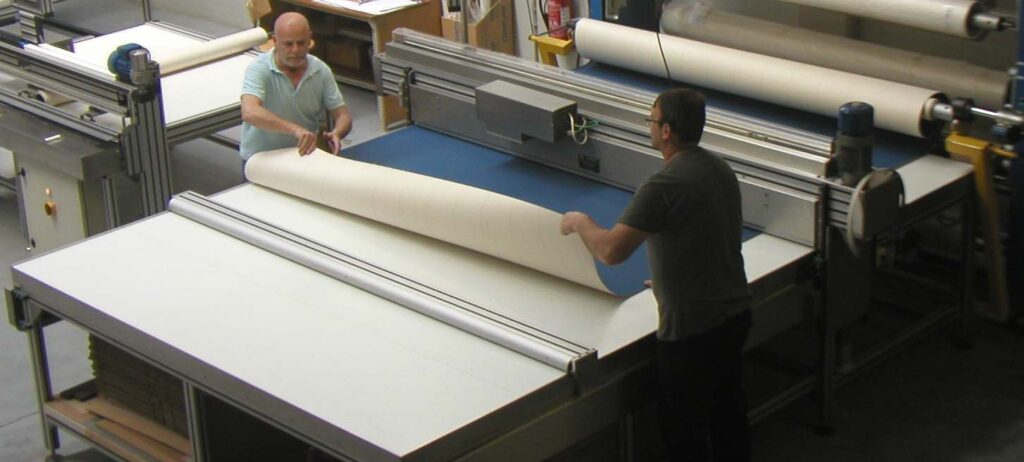
We specialise on blanket conversion

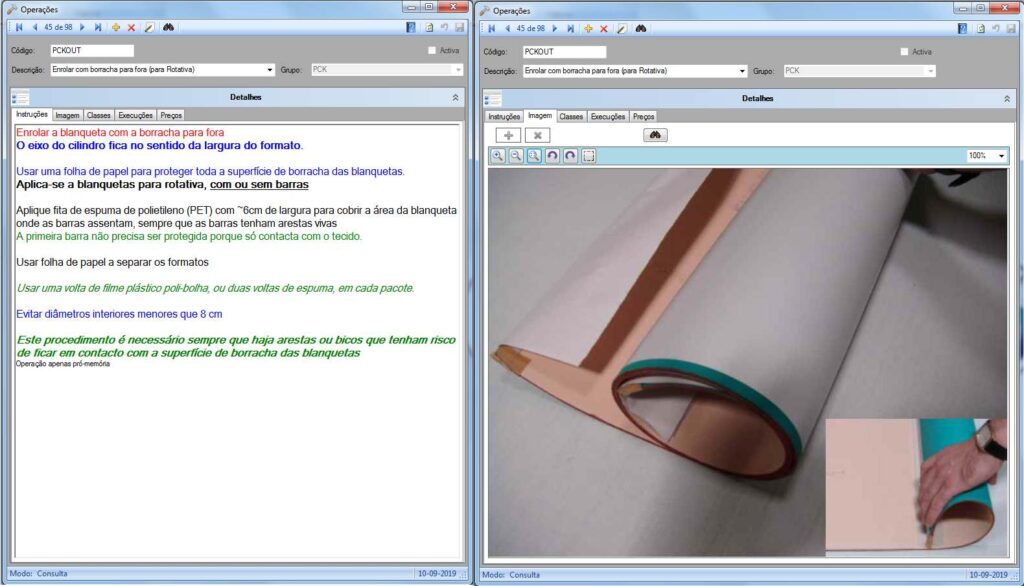
Come to know IberoWIN – An interactive software Blanket Conversion Manual that meets both the individual press unit details and printer conditions and delivery preferences, with online step-by-step quality control.

Comprehensive encoding of blanket material, including sub-products and manufacturing process details, enabled to build an extensive database making it possible to achieve a truly professional standard in blanket format conversion.

We Provide Quality

LABORATORY OBSERVATION

At the beginning all blankets look alike!
However, only after noting the differences real blanket study starts, relating design to performance.

Dependable quality service

just give us a call

Your business is too important to rely on any company.

We convert printers blankets rolls into formats for web and sheetfed offset presses.
We make qualification tests of every new blanket model from our suppliers at the in-house laboratory.

Handy blanket thickness readings taken at production, are made within 0,005 mm accuracy.
Shore A test affords just a general blanket hardness indication while the µ-hardness test gives a more approximate indication of the blanket press behaviour.
Bar fitting quality onto the blanket is checked with the bar pull strength test.

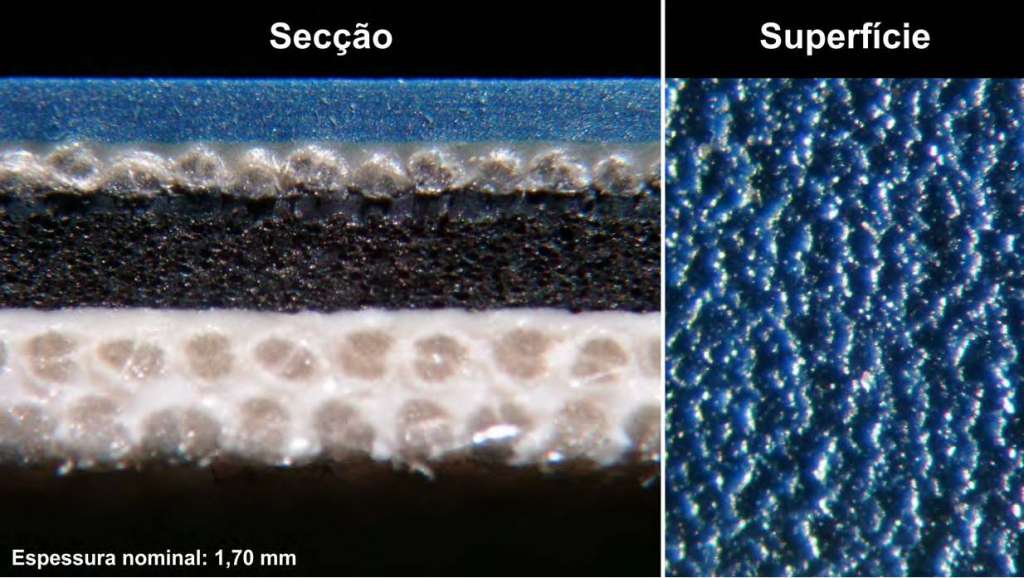
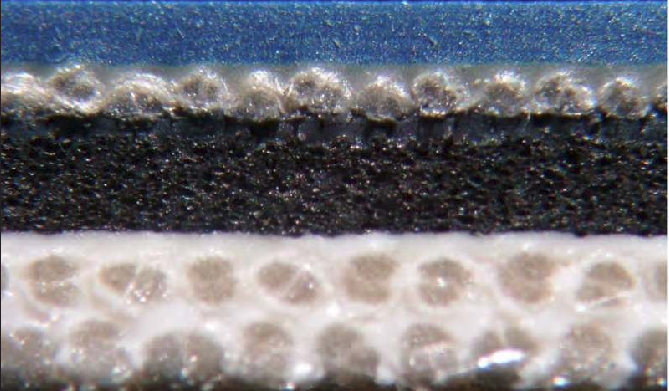
New blanket models are also analysed under microscope magnification as part of their characteristics evaluation.
Comparative blanket surface analysis allows a rough guess as to their printing quality and press life.
Blanket cross section observation shows in detail blanket structure layers and possible premature blanket thickness loss or heating in service.

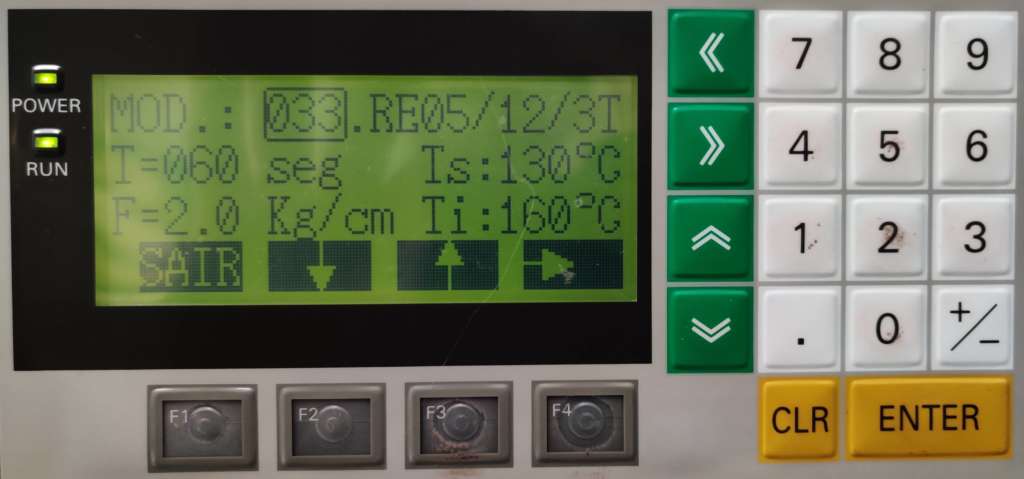
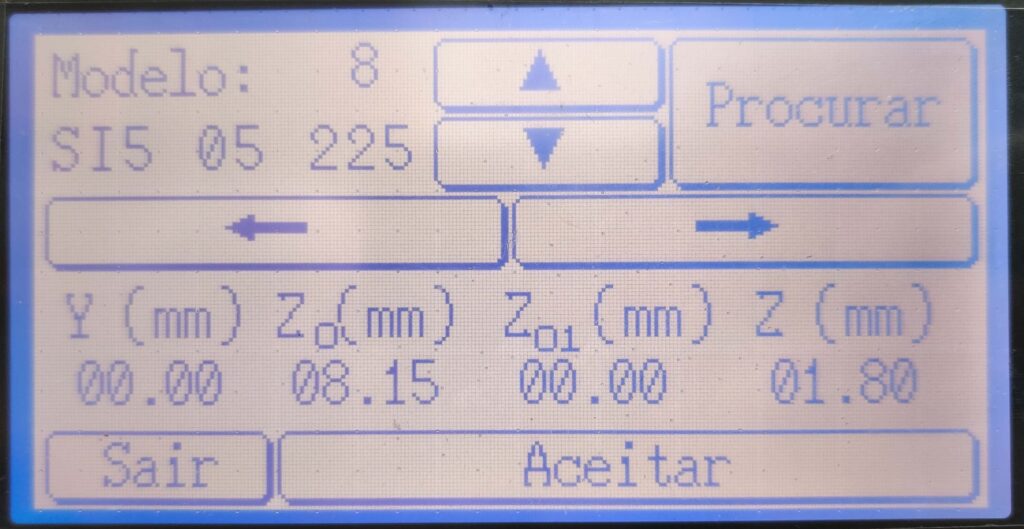
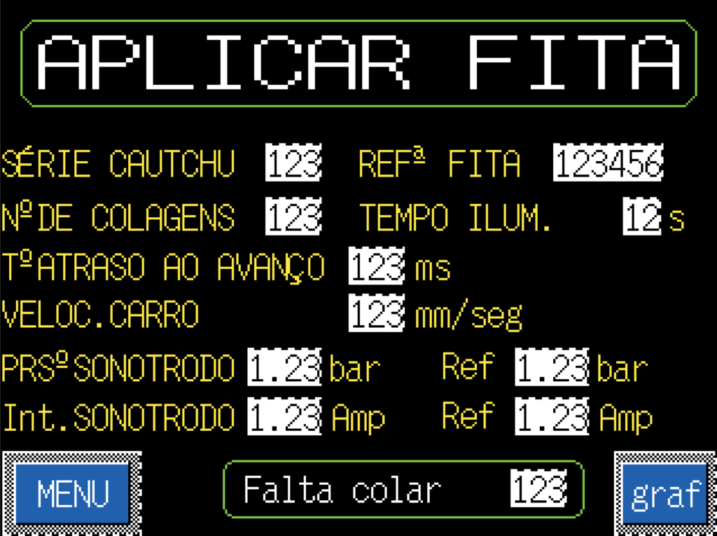
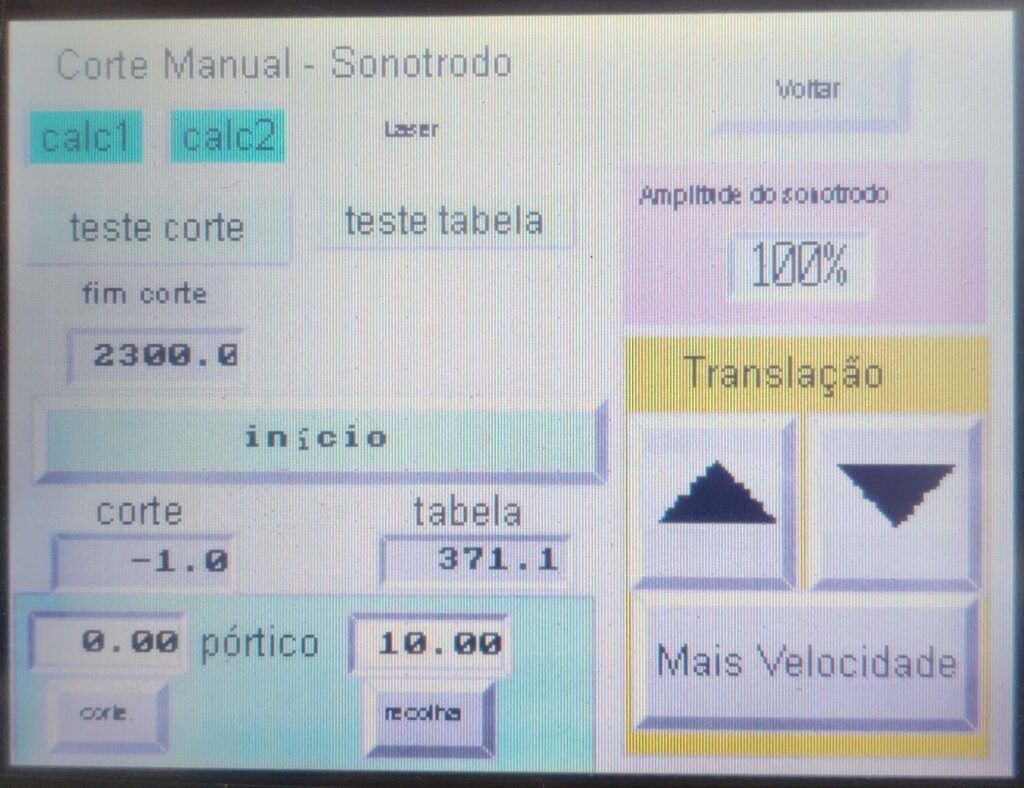
Blanket conversion equipment features and manufacturing specifications are also developed, duly completed by the respective user manuals.

Material evaluation, production and after sales reports are carefully archived building an invaluable data base for the challenges ahead.

The Blanket That Boosts Your Bottom Line
The Perfect Impression
Maximizing Uptime, Minimizing Headaches.
The Blanket That Boosts Your Bottom Line
The Perfect Impression
Maximizing Uptime, Minimizing Headaches.
The Blanket That Boosts Your Bottom Line
The Perfect Impression
Maximizing Uptime, Minimizing Headaches.
The Blanket That Boosts Your Bottom Line
The Perfect Impression
Maximizing Uptime, Minimizing Headaches.
I wish other problems were also solved with a programmed annual order.

Eng. António da Costa General Director - Unipress
Iberografica‘s sharp knowledge supported our production into achieving a new efficiency stage. Thank you!

Mr. Manuel Tavares Head of Production - Sogapal
It is amazing how more than a decade has elapsed since your blankets were qualified with us.
Dr. Hernâni Almeida Administrator - Funchalense
Previous
Next

In businesses since 1988

For almost 40 years, Iberográfica has been helping companies, business owners, and entrepreneurs with printer blankets used in offset printing machines.
Printers Blankets
Printers Blankets

Feed Response Graphs

Feed Response Graphs are visual tools used to analyze how livestock or aquaculture species respond to different levels of feed intake over time. These graphs typically plot growth performance, feed conversion ratios, or weight gain against varying feed inputs, helping farmers and nutritionists optimize feeding strategies for maximum efficiency and profitability. 

Tensile Tests

The Tensile Test is one of the most fundamental and widely used methods in materials engineering to determine how a material behaves when subjected to a pulling force. During the test, a standardized sample (specimen) is stretched in a controlled manner until it fractures.

Blanket Technology

Regardless of the undeniable progress of the blanket industry, some aspects of blanket response have stubbornly remained unpredictable, specially when it comes to controlling rubber rebound and blanket feed properties.
It is widely acknowledged how recurrent design attempts to overcome blanket response unpredictability have had its intended goal not confirmed by field results.

The persistent study and research carried in our laboratory, required to satisfy our standards of Blanket Conversion, Commercial Advise and After Sales Service, was rewarded at last:
A significant segment of blankets response has an oscillatory nature.
Due to the very peculiar rubber characteristics, blankets have an innate and most disturbing aptitude to respond resonantly to a wide range of oscillatory stimuli frequencies.
Those stimuli are typically external, such as press vibration and the cyclic bump preceding every new copy and may generate a resonant reaction in one or more of the blanket layers…
Go to News to keep on reading.

For further details please contact forum@printersblankets.com.

In Our News

COMPRESSION & HYSTERESIS

Compression and Hysteresis are key concepts in materials science, particularly when analyzing elastic materials like rubber, polymers, or even biological tissues. Compression refers to the reduction in volume or length of a material when subjected to a pushing or squeezing force. Hysteresis, on the other hand, describes the energy loss that occurs when a material is loaded and then unloaded—essentially, the difference between the energy required to deform it and the energy recovered as it returns to its original shape. 

Whip Reaction and Feed Properties are critical factors in high-speed machining and material processing operations. Whip Reaction refers to the unstable, often violent vibrational behavior that occurs in long, rotating tools or workpieces—such as boring bars or shafts—when they exceed their critical rotational speed. This phenomenon, similar to a skipping rope effect, can lead to poor surface finish, dimensional inaccuracies, and even tool breakage. The severity of whip reaction is heavily influenced by Feed Properties, including feed rate, cutting depth, and the material characteristics of both the tool and the workpiece. Softer materials may dampen vibrations, while harder materials can exacerbate them. Optimizing these parameters—balancing speed, feed, and material compatibility—is essential to suppress whip reaction, ensuring stable cuts, extended tool life, and superior part quality in precision manufacturing.

Elongation and Tensile properties are fundamental characteristics used to evaluate the mechanical behavior of materials under stress. Tensile strength refers to the maximum amount of tensile (pulling) stress that a material can withstand before failing or breaking, typically measured in units like megapascals (MPa) or pounds per square inch (psi). Elongation, usually expressed as a percentage, measures how much a material can stretch plastically (permanently) before fracture—essentially, its ductility. During a tensile test, these two properties are plotted on a stress-strain curve: tensile strength appears as the peak of the curve, while elongation corresponds to the total strain at the breaking point. Materials with high elongation, like rubber or soft metals, are considered ductile and can deform significantly before failure, whereas materials with low elongation, like ceramics, are brittle. Together, these properties help engineers determine whether a material is suitable for applications requiring flexibility, load-bearing capacity, or resistance to pulling forces.

Environment, Structure, and Behavior are three interconnected factors that determine how materials, systems, or even organisms respond to external conditions. In materials science and engineering, the environment refers to external factors such as temperature, humidity, chemical exposure, or mechanical loading conditions that a material encounters. The structure encompasses the internal arrangement of a material—its atomic lattice, grain boundaries, or molecular composition—which dictates its inherent properties. Behavior describes how the material reacts to environmental stimuli based on its structure, whether through deformation, phase changes, degradation, or failure. This triad forms a fundamental principle: changes in environment can alter structure over time (e.g., corrosion, fatigue), which in turn affects behavior (e.g., embrittlement, loss of strength). 

Hardness is a mechanical property that measures a material’s resistance to localized deformation, such as indentation, scratching, cutting, or wear. It indicates how well a material can withstand surface penetration by a harder object. Hardness is not a fundamental physical property but rather a composite characteristic influenced by a material’s strength, ductility, elasticity, and microstructure. Common testing methods include the Rockwell, Brinell, Vickers, and Shore scales, each applying a specific type of indenter under controlled loads to quantify hardness values. In general, harder materials tend to be more wear-resistant and durable, but they may also be more brittle. This property is crucial in applications ranging from cutting tools and gears to protective coatings and medical implants, where surface integrity and resistance to abrasion are paramount for long-term performance.